

I have been contemplating the idea of ‘connecting the dots for quite some time. This concept, which explores how different life experiences come together to form a coherent whole, has fascinated me deeply. Through research and introspection, I have identified two main approaches to life when connecting these dots.
The First Approach: Letting Your Mind Wander Freely
One way to connect the dots is by allowing your mind to roam freely. Our minds are teeming with infinite thoughts and seldom remain idle. However, in our busy lives, we rarely give ourselves permission to be and let our minds wander.
I once tried an experiment where I lay down on my bed, closed my eyes, and gave my mind free rein. I let it conjure images, sounds, and past events without judgment or analysis. Initially, it felt chaotic, almost like a nonsensical dream. But soon, patterns began to emerge. Specific memories, phrases, and feelings floated to the surface repeatedly. The exercise was oddly therapeutic as if my mind was sorting through its contents to create meaning.
This practice of free association, which some psychologists term “mindful wandering,” can help us discover connections we hadn’t consciously recognised. For example, think about how I developed a love for cooking. It wasn’t a single defining experience, but rather a collection of moments stitched together.
I still remember watching my grandma knead the dough with such ease. She would sprinkle a handful of atta into a large steel thali, add just the right amount of water, and knead until it transformed into a perfect softball. Her hands moved in a rhythm that I found fascinating. She would pat the dough and say, “If the dough is soft, your chapati will puff like a balloon!” I would always sit there, waiting for the first puffed chapati, feeling victorious every time it inflated on the hot tawa. She would then give it to me, with ghee spread on it and sugar sprinkled over it with much love, known as “Sakar Roti.” To this day, I can relish that taste on my tongue, just as my grandma used to feed me; later, my mother continued this delightful tradition, and now I am passing it down to my daughter.
During my time at university, experimenting with dishes became my playground. I would raid the spice cupboard and attempt unexpected combinations—cumin and lemon in a pulao or garam masala with sautéed vegetables. Some dishes failed spectacularly, while others made me feel like a culinary genius! In those moments of experimentation, I experienced the spark of creative freedom.
One of my most cherished memories is from a college potluck where I made a simple yet flavoursome vegetable biryani. The aroma of saffron and fried onions wafted through the room as I uncovered the Handi. A friend took a bite and exclaimed, “This biryani is as good as anything I’d get at my Mam’s house!” That unexpected compliment filled me with pride and joy.
These memories, infused with the warmth of home-cooked meals and the joy of shared flavours, shaped my passion for cooking. They remind me that even the tiniest moments can ignite something beautiful and enduring.
To make this exercise even more effective, trying new things is essential. Learning a new skill, taking a different route to work, or even reading genres you wouldn’t usually explore can expose you to diverse experiences. The more we stretch ourselves, the easier it becomes for our brains to identify patterns and link them.
Our brains are natural pattern-makers. When we expose ourselves to new stimuli, they begin connecting seemingly random events to create meaning. Think of how children learn a language—they hear random words at first, but soon, they identify patterns and structures that allow them to form coherent sentences. Similarly, our life experiences can create a tapestry if we allow the dots to connect naturally.
The Second Approach: Looking Backward to Find Meaning
The second approach to connecting the dots reflects what Steve Jobs famously expressed in his Stanford graduation speech:
“Once more, you can’t connect the dots while looking forwards; you can only connect them by looking backwards. Therefore, you must trust in something – your intuition, destiny, life, karma, or whatever else.”
One of Jobs’ most vivid examples was his decision to take a calligraphy class in college. At the time, it seemed like an arbitrary interest. Years later, that knowledge helped him design beautiful, varied typefaces for the Macintosh, revolutionising computer typography. This seemingly random experience became a defining part of his career.
Looking back at our lives often reveals surprising connections. Reflecting on my journey, I see how different experiences, even the painful or confusing ones, were essential in shaping who I am today. During my early career, I worked as a bank manager. Although I ultimately transitioned to writing and publishing, the skills I developed—attention to detail, time management, and empathy—have been invaluable in my current career. At the time, it felt like two unrelated paths. Now, I can see how one led to the other.
Trusting the Process
One of the biggest takeaways from this approach is learning to trust the process. We often want to plan every step of our lives meticulously. However, life rarely unfolds the way we envision. Instead of trying to control every outcome, we can trust that each experience has a purpose—even if that purpose is not immediately apparent.
A close friend once shared a story about her struggle to find a job after college. She spent months applying to positions and facing rejection after rejection. Frustrated, she took a temporary job at a local bookstore to pay the bills. Over time, she developed a deep appreciation for literature and started writing book reviews for the store’s website. This led her to a career in publishing—a path she hadn’t even considered initially. Looking back, she realised that every rejection was necessary to guide her to her true passion.
Fatema Hussain: Turning a Hobby into a Career





One of my closest friends, Fatema Hussain, is a perfect example of how connecting the dots can lead to unexpected passions. Fatema discovered her love for graphic design. Initially, she dabbled in design as a hobby, creating digital art and experimenting with various software in her spare time. Although she lacked formal training, she loved the creative freedom it afforded her.
When I began working on one of my book projects, I told Fatema I needed a cover design. She offered to create a mock-up, and her creativity and attention blew me away to detail. That experience gave her the confidence to pursue design more seriously. Today, Fatema is a professional graphic designer, and her journey—from hobbyist to designer—is a testament to how our dots can align in surprising ways.
Meghana Nair: From Weight Loss to Fitness Passion

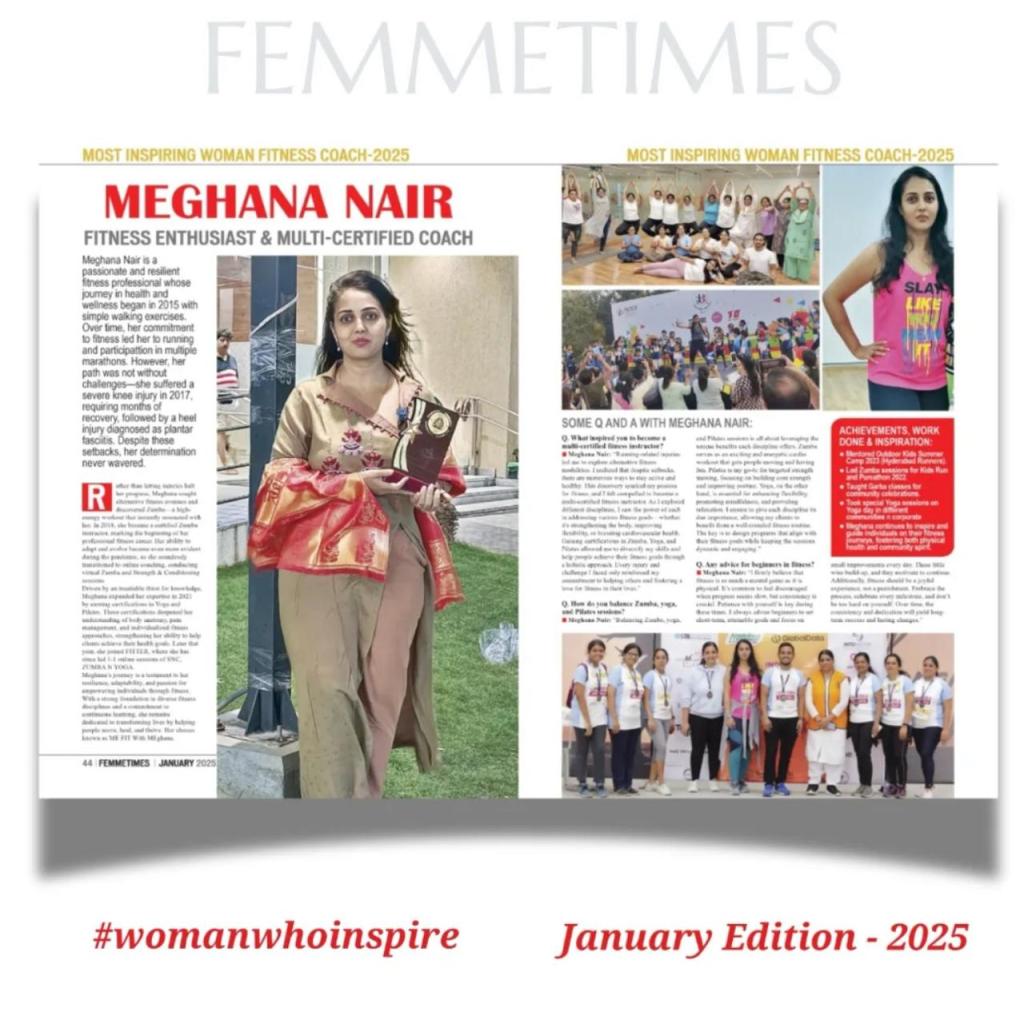
Another example is my friend, Meghna Nair. Meghna and I initially joined a gym with a simple goal—weight loss. Neither of us had any aspirations beyond shedding a few pounds. However, Meghna began noticing changes in her strength and stamina. Over time, she developed a genuine love for fitness.
What began as a weight-loss journey transformed into a full-blown passion. Meghna started researching different workout routines, tracking her progress, and mentoring others at the gym. Today, she’s a certified fitness trainer, helping others achieve their health goals. Reflecting on her journey, Meghna often says that each small experience at the gym—triumphs and setbacks—is connected to her current purpose.
Finding the Common Thread
If we want to connect the dots, looking for common threads can be helpful. Think of moments when you felt most alive, inspired, or content. Were there shared themes? Did certain activities, places, or people consistently bring you joy? By identifying these recurring elements, we can gain clarity about our purpose.
For example, a friend of mine—an accomplished photographer—noticed that her most cherished memories involved capturing fleeting moments: the way sunlight hit a flower, a child’s laughter, or a spontaneous hug. These moments, though small, were the dots that led her to pursue photography professionally.
Embracing Imperfection
Another important aspect of connecting the dots is embracing imperfection. Life’s journey is rarely a straight line. It’s filled with detours, setbacks, and unexpected twists. Instead of viewing these as failures, we can see them as part of the larger picture.
I recall when I launched a writing project that didn’t gain the traction I had hoped for. At first, I felt defeated. But through that experience, I learned valuable lessons about marketing, resilience, and storytelling—lessons that later contributed to the success of my next book. In hindsight, what seemed like a failure was a crucial step in my growth.
Connecting the Dots: Reflections on Life’s Unexpected Journeys
Perhaps you’ve experienced heartbreak, only to realize later it led you to a more fulfilling relationship. Or maybe a job you took out of necessity helped you build a skill that became crucial later in your career. These experiences might seem disjointed, but they often form a straightforward narrative when viewed through time.
We may not always understand why certain events happen as we navigate life. But if we trust in the process, remain open to new learning skills, and adopt a curious perspective on past relationships and setbacks, we can transform those experiences into opportunities for growth. By viewing challenges as steppingstones rather than obstacles, the dots often connect in ways that reveal a meaningful and purposeful journey.
May our dots be joined by our creator in ways that reveal the beauty and purpose of our lives. And may we have the courage to embrace each moment, knowing that it’s all part of the grand design.
- Lamiya Siraj





 Lamiya Siraj: Stories & Beyond
Leave a reply to Caleb Cheruiyot Cancel reply